
What Are You Looking For?
Typical Applications:
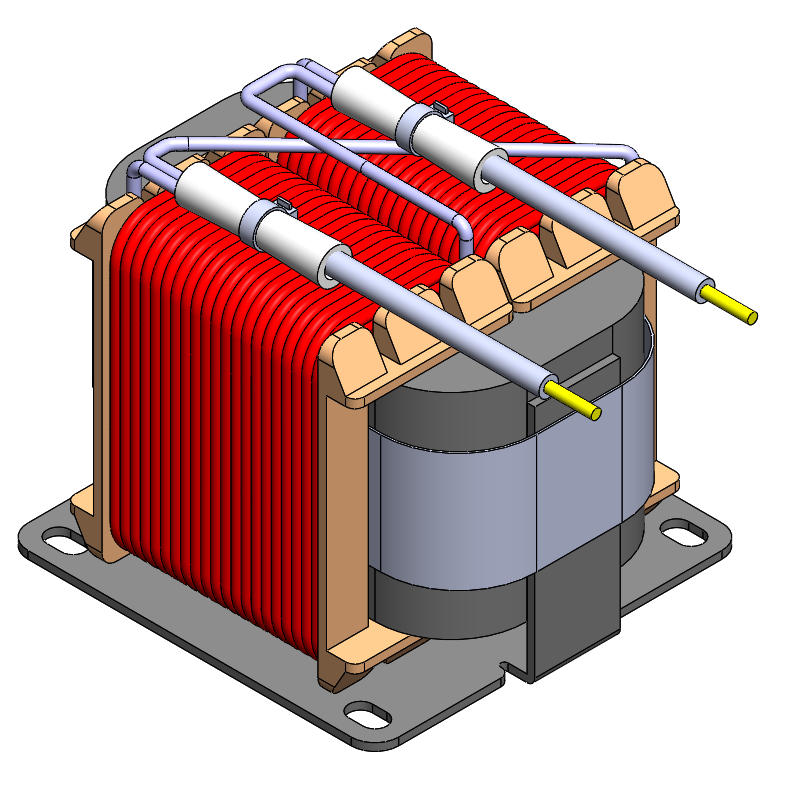
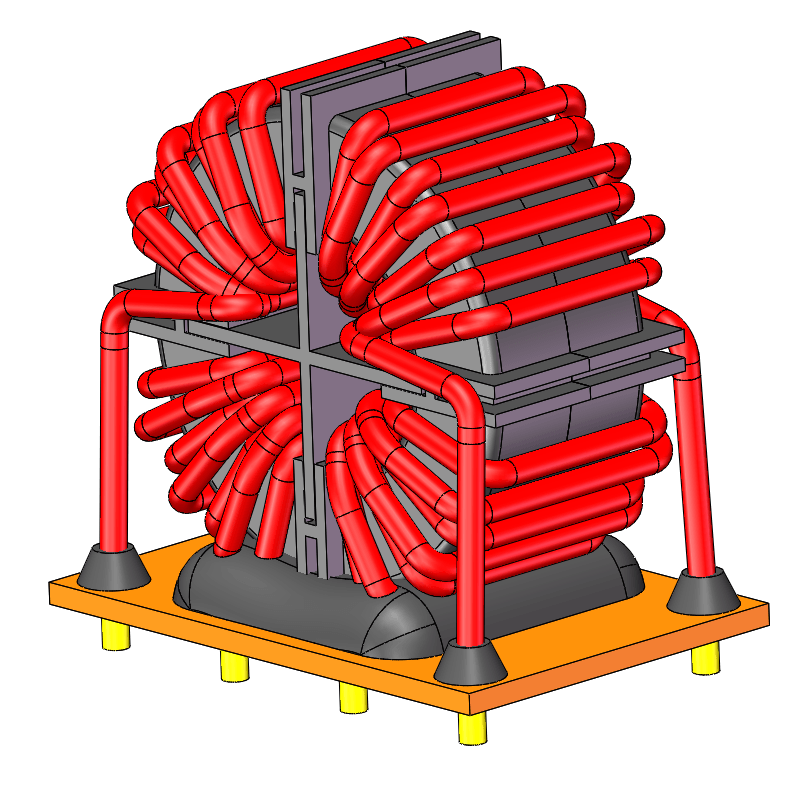
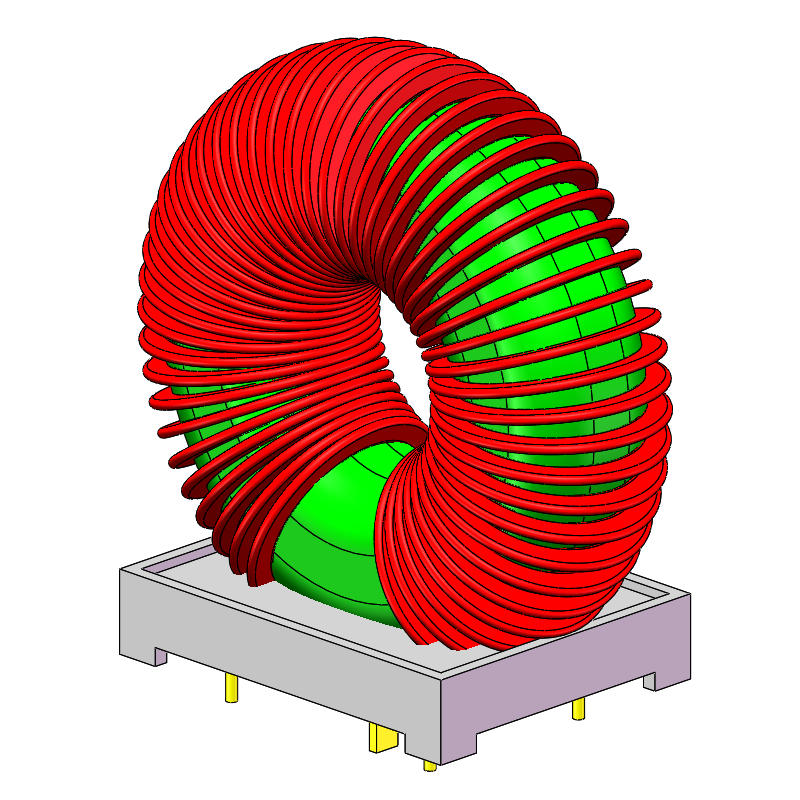
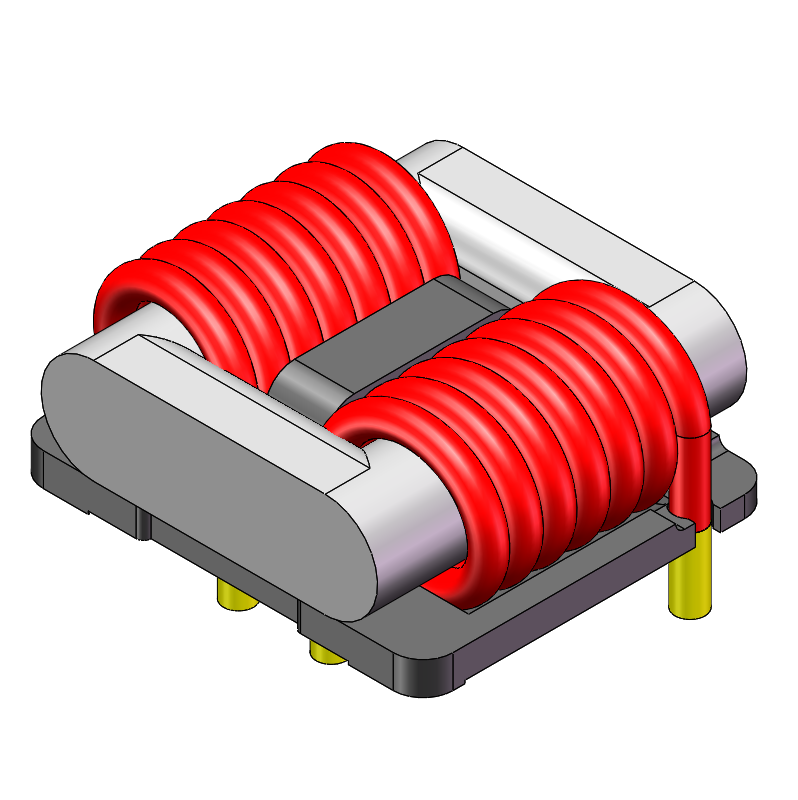
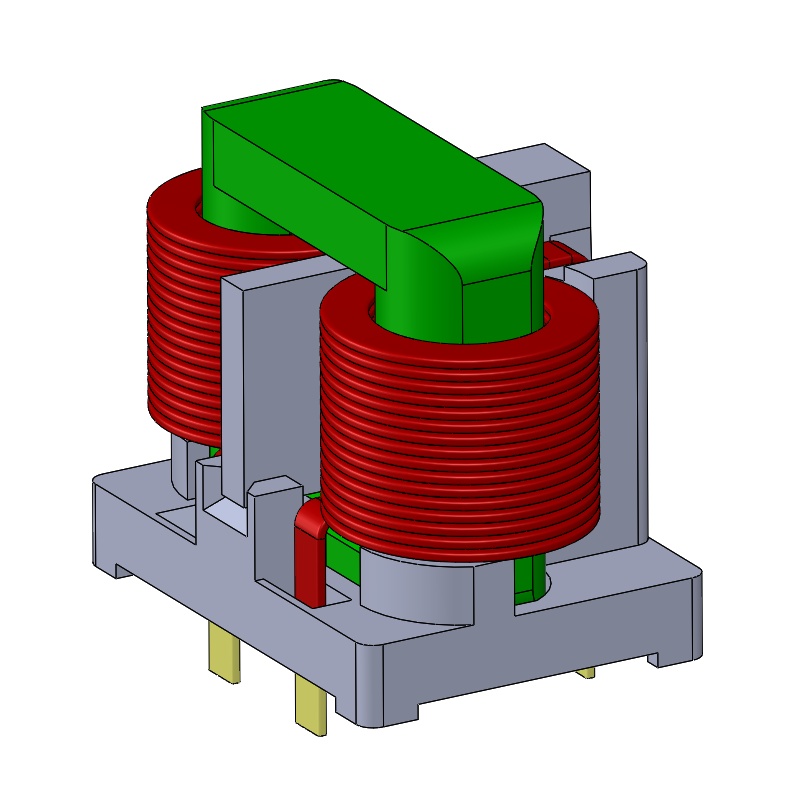
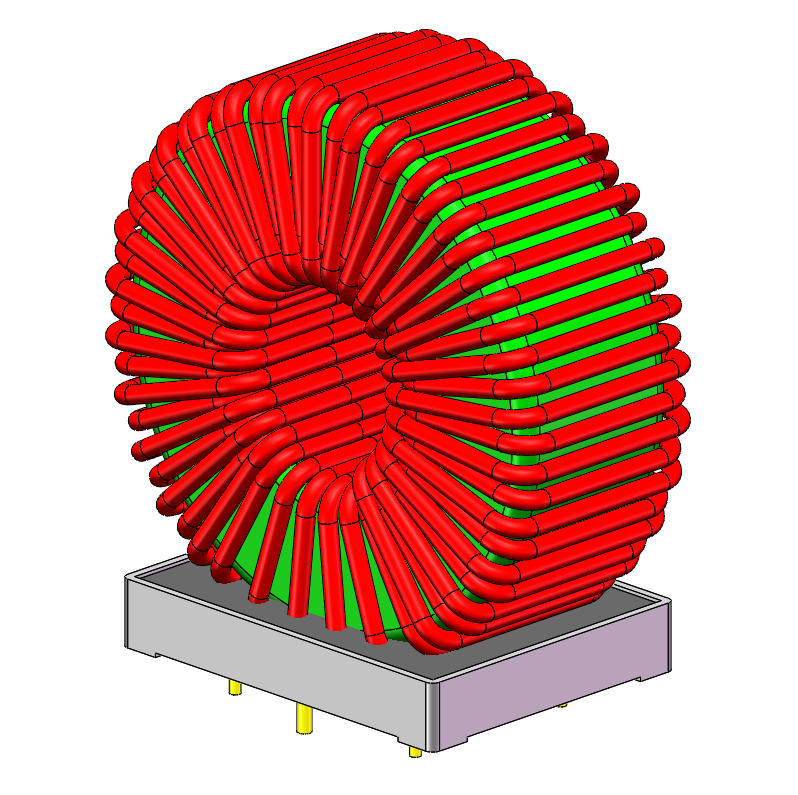
· EMI/RFI common-mode chokes
· High-frequency transformers (e.g., SMPS, renewable energy inverters)
· Precision current sensors and zero-flux detectors
· Wireless power transfer systems
· Pulse and flyback transformers
Item No :
T31X19X13-3PProduct Origin :
China
Advantages of Nanocrystalline Magnetic Cores
Nanocrystalline magnetic cores, typically made from Fe-based alloys (e.g., Fe–Si–B–Cu–Nb), have a grain size of 10–20 nm. They offer a unique combination of soft magnetic properties, making them superior to traditional materials like ferrite, amorphous, and permalloy cores in many applications.
1. High Permeability
· Initial permeability can reach over 80,000, and high-frequency permeability remains excellent up to 100 kHz or more.
· Ideal for common-mode chokes, current transformers, and pulse transformers.
2. Low Core Loss
· Very low hysteresis and eddy current losses, especially at high frequencies (e.g., 20 kHz–100 kHz).
· Enables higher efficiency in power electronics, reducing heat generation.
3. High Saturation Flux Density
· Saturation flux density (BsBs) up to ~1.2–1.3 T, higher than ferrites (~0.4–0.5 T).
· Allows smaller core cross-sections, enabling miniaturization of magnetic components.
4. High Curie Temperature
· Typically >500°C, providing good thermal stability in demanding environments.
5. Excellent Frequency Characteristics
· Low permeability roll-off up to high frequencies.
· Suitable for wideband and high-frequency power applications (e.g., EMI filters, inverters, wireless chargers).
6. Low Magnetostriction
· Magnetostriction coefficient close to zero, reducing noise (hum) in transformers and inductors.
7. High Thermal and Aging Stability
· Nanocrystalline structure is stable up to ~150–200°C without significant performance degradation.
8. Compact and Lightweight
· Due to high BsBs and low loss, components can be smaller and lighter than silicon steel or ferrite equivalents.
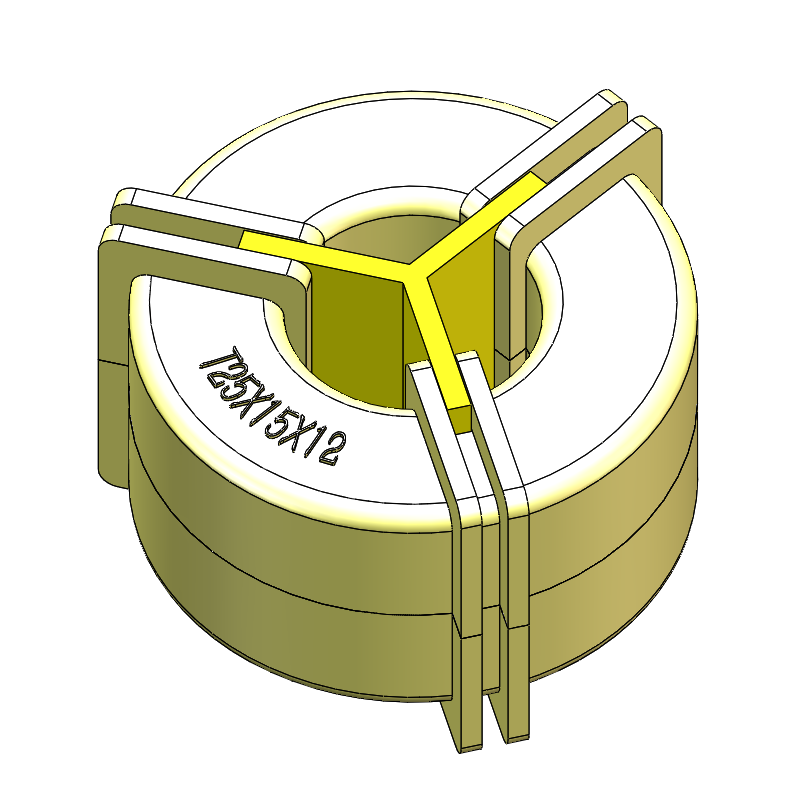
Typical Applications: · EMI/RFI common-mode chokes · High-frequency transformers (e.g., SMPS, renewable energy inverters) · Precision current sensors and zero-flux detectors · Wireless power transfer systems · Pulse and flyback transformers
View More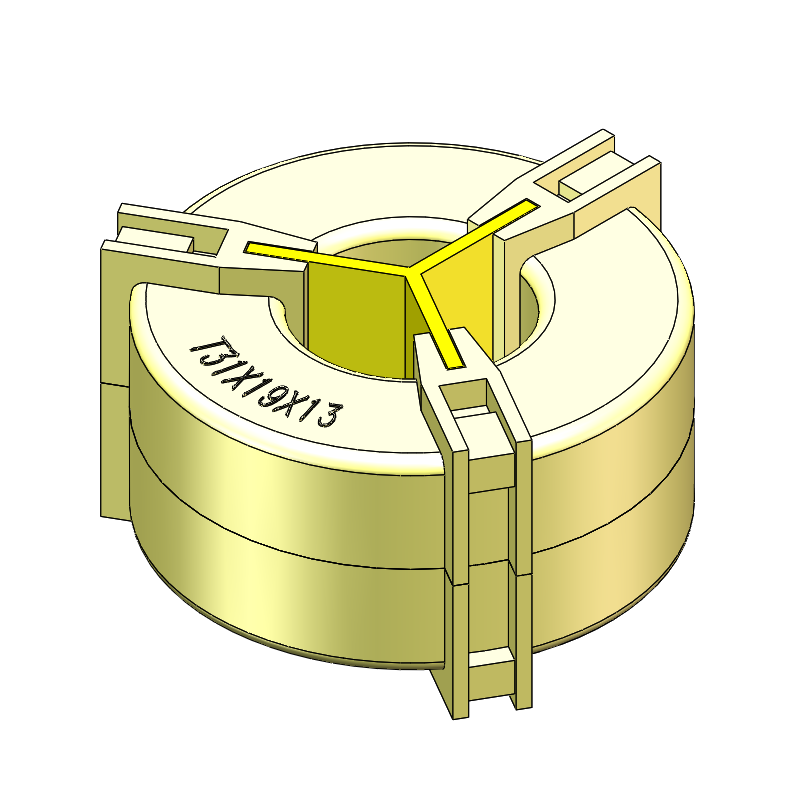
Typical Applications: · EMI/RFI common-mode chokes · High-frequency transformers (e.g., SMPS, renewable energy inverters) · Precision current sensors and zero-flux detectors · Wireless power transfer systems · Pulse and flyback transformers
View More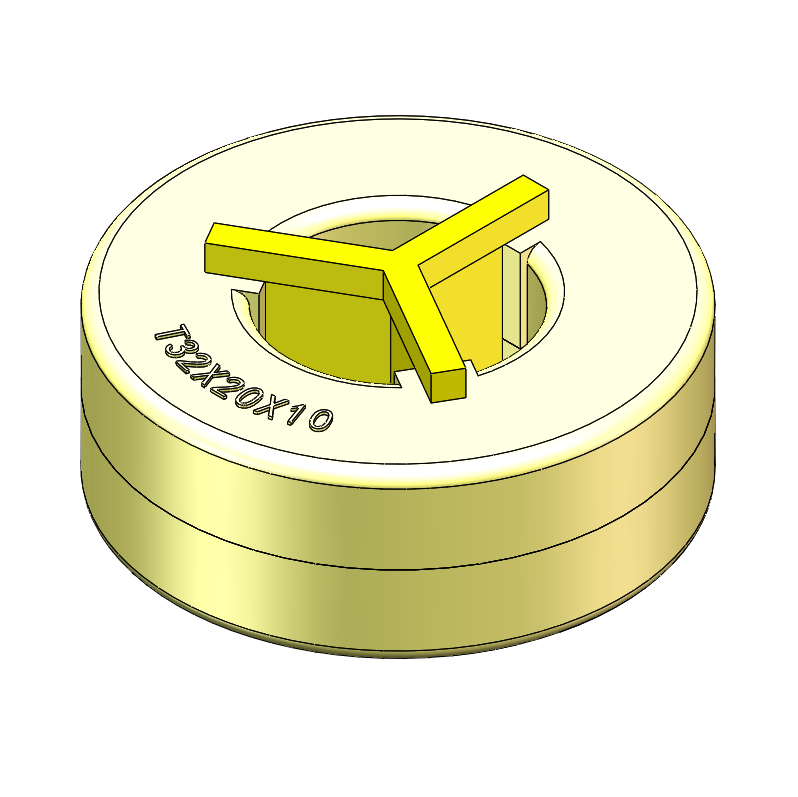
Typical Applications: · EMI/RFI common-mode chokes · High-frequency transformers (e.g., SMPS, renewable energy inverters) · Precision current sensors and zero-flux detectors · Wireless power transfer systems · Pulse and flyback transformers
View More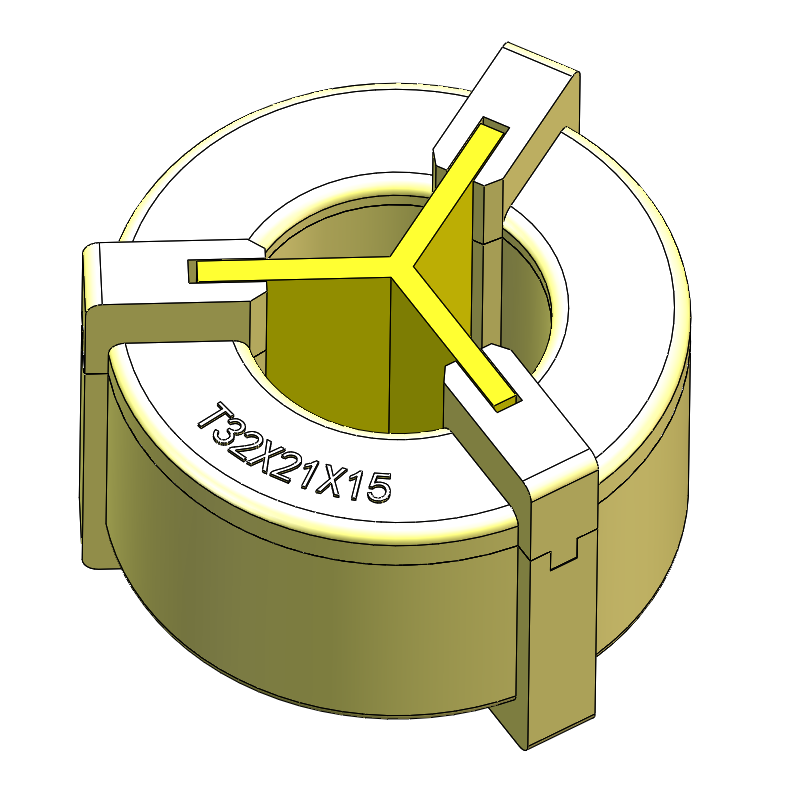
Typical Applications: · EMI/RFI common-mode chokes · High-frequency transformers (e.g., SMPS, renewable energy inverters) · Precision current sensors and zero-flux detectors · Wireless power transfer systems · Pulse and flyback transformers
View More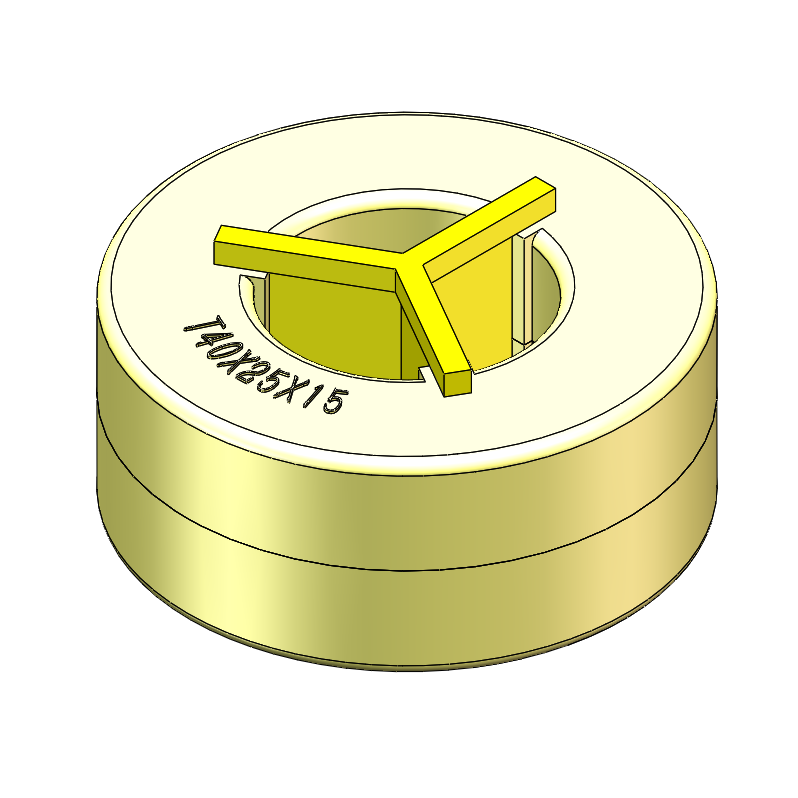
Typical Applications: · EMI/RFI common-mode chokes · High-frequency transformers (e.g., SMPS, renewable energy inverters) · Precision current sensors and zero-flux detectors · Wireless power transfer systems · Pulse and flyback transformers
View More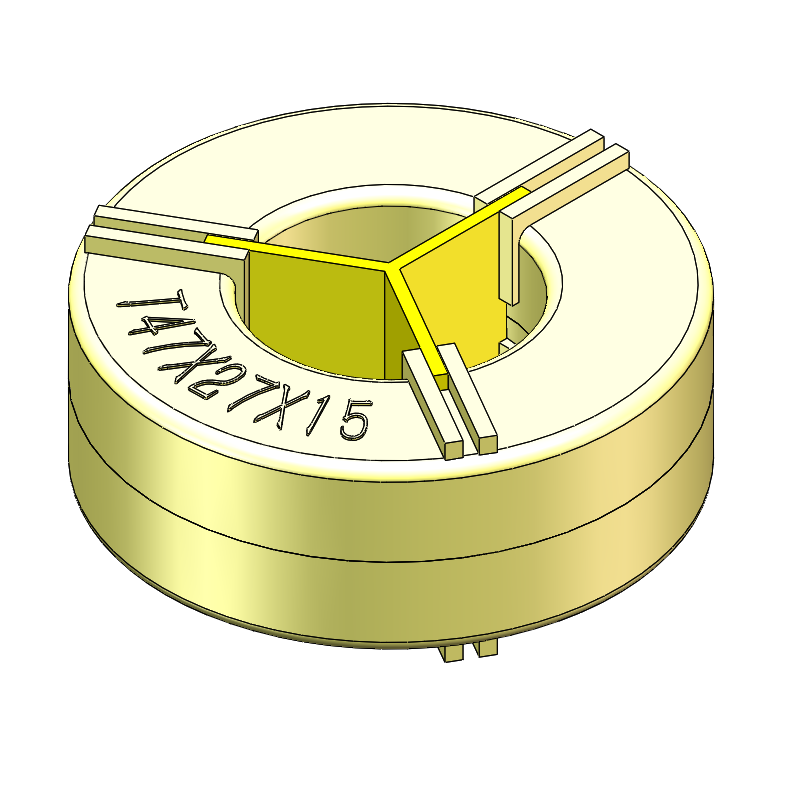
Typical Applications: · EMI/RFI common-mode chokes · High-frequency transformers (e.g., SMPS, renewable energy inverters) · Precision current sensors and zero-flux detectors · Wireless power transfer systems · Pulse and flyback transformers
View More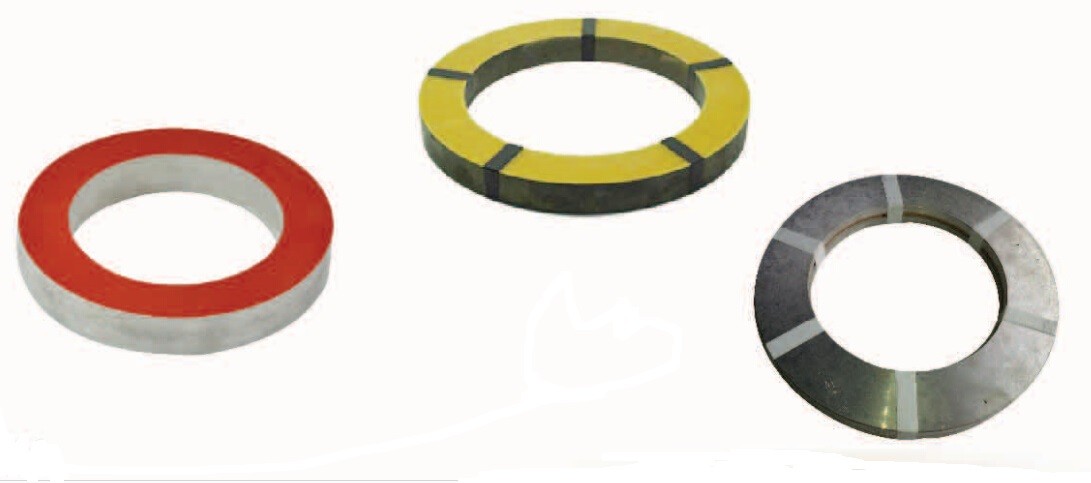
High saturation magnetic induction——Reduce the winding and cost
View More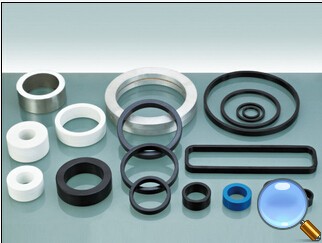
High permeability, low coercivity and low loss.Leakage current sensitive and excellent large current impact resistant ability.
View MoreSocial Link :


Copyright @ 2026 Anhui Hangyou Co., Ltd. All Rights Reserved. Network Supported
leave a message